

Celebrating 50 Years of Diplomatic Ties: The History of Finland-Nepal Relations (Part 2/3)
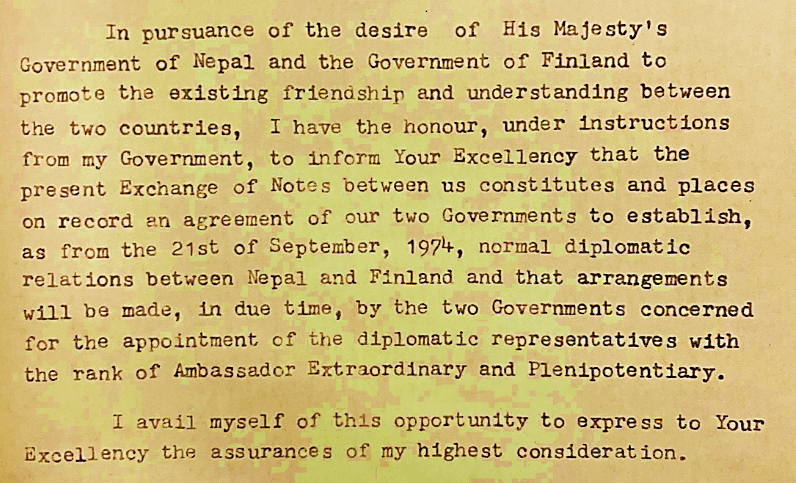
The diplomatic relations between Finland and Nepal were formed on September 21 in 1974, through an exchange of diplomatic notes in New Delhi. In the following years, the relations deepened and new avenues for collaboration were identified, with bilateral development cooperation starting in 1983. Environmental and forestry sector, rural electrification and water supply were areas where Finland’s expertise aligned with Nepal’s priorities. Ties were strengthened in other areas as well, when tourism sector in Nepal gained momentum and bilateral trade took its first steps.

Establishment of Diplomatic Relations
By the late 1960s, Kathmandu was home to about a dozen embassies while many countries continued to manage diplomatic relations with Nepal through their embassies in New Delhi. In January 1969, the Finnish Ambassador in New Delhi reported to Helsinki that he had met with his Nepalese counterpart, Jharendra Narayan Singh, who had brought up the idea of establishing formal diplomatic relations between Finland and Nepal. At that point, Finland was lagging behind other Nordic countries: Sweden’s Ambassador was already accredited to Nepal, and Denmark’s Ambassador was soon to follow. Despite the interest, the initiative did not move forward. Finland’s embassy in New Delhi was already responsible for four additional countries, and the Ministry for Foreign Affairs felt that adding Nepal as a fifth would overburden the mission.
In February 1974, the embassy in New Delhi reminded Helsinki that Finland was now the only Nordic country without a representative in Kathmandu. A few months later, the embassy conveyed the sentiments of the Nepalese ambassador: "We would appreciate it if Finland proposed the establishment of diplomatic relations. The response would be positive."
Gradually the idea of establishing diplomatic relations with Nepal found momentum in Helsinki. Following some preparatory work, the proposal to formalize these relations was put forward on August 30, 1974. The Nepalese had suggested that the exchange of diplomatic notes could take place in New Delhi, between the respective ambassadors. This plan was carried out, and the official date for the establishment of diplomatic relations was set for September 21, 1974.
First Ambassadors
In April 1975, Nepal requested agrément for its London-based Ambassador, Kiran Shumsher J.B. Rana, to also serve as Ambassador to Finland. Ambassador Kiran already covered Sweden, Norway, and Denmark. The agrément was granted on May 16, 1975, and in October of the same year, he presented his credentials as Nepal’s Ambassador to Finland.
By this time, Kathmandu hosted embassies from 18 countries, and over 30 others, including all the Nordic nations, had accredited their ambassadors in New Delhi to Kathmandu. Following this model, Finland appointed its New Delhi Ambassador, Ms. Riitta Örö, as Ambassador to Kathmandu on November 28, 1975. Ms. Örö had already represented Finland at the coronation of King Birendra Bir Bikram Shah Dev in February 1975. She officially presented her credentials on December 26, 1975, in a brief yet solemn ceremony. Later, Ms. Örö met with Nepal’s Prime Minister, who discussed potential cooperation in building a paper mill, leveraging Nepal's rich forest resources. He also saw opportunities for collaboration in harnessing Nepal's vast hydropower potential. However, these ideas did not come to fruition during this period.
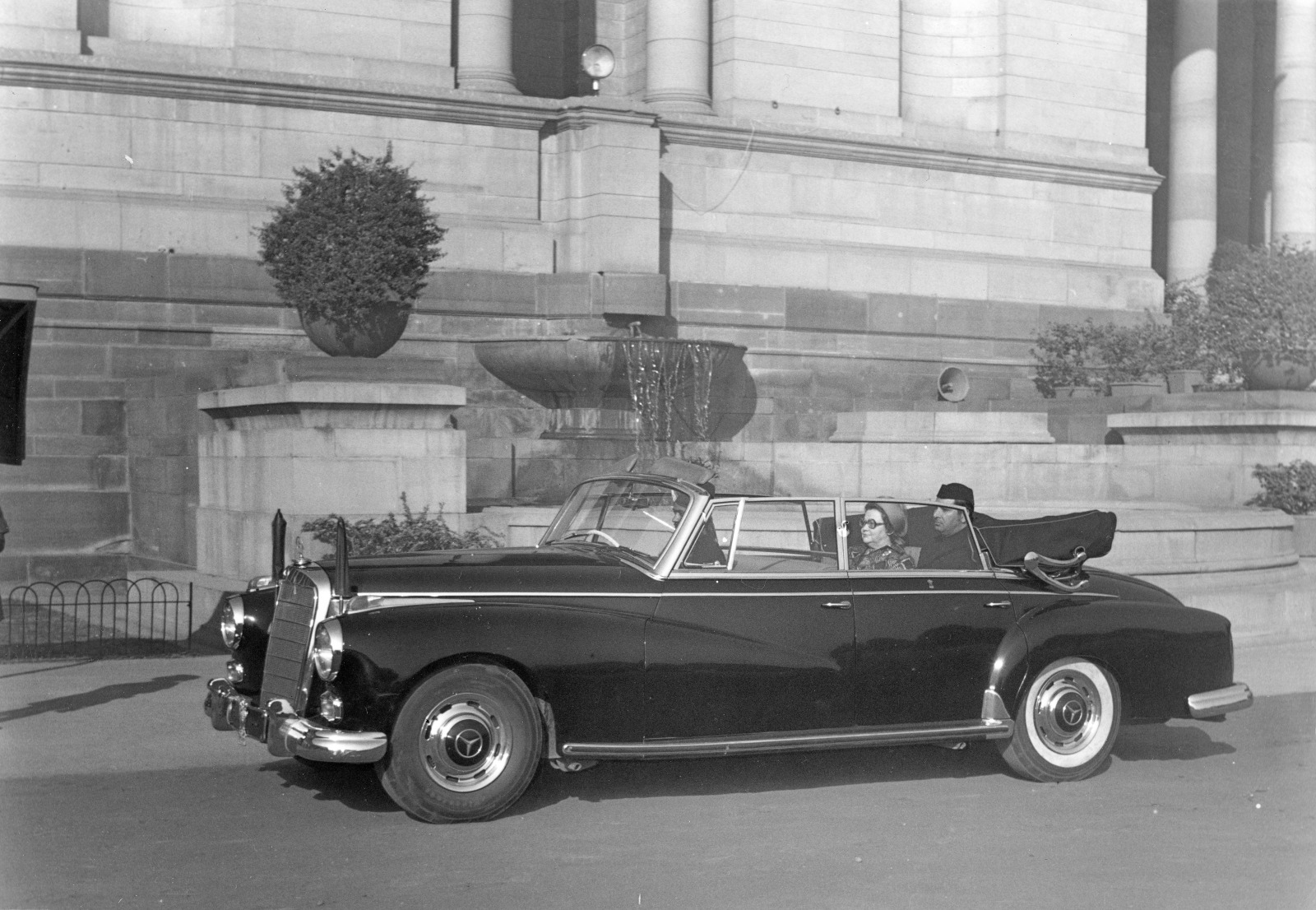
Ms. Riitta Örö was succeeded by Mr. Risto Hyvärinen as Ambassador from 1980 to 1984. On his credential presentation trip in April 1980, Hyvärinen learned about Nepal's peace zone initiative, which had been launched about five years earlier. Similar ideas had been discussed in Finland, with President Urho Kekkonen having recently renewed his proposal for a Nordic nuclear-free zone. During his trip, Hyvärinen also met General Kiran, the son of the host who had welcomed Marshal Mannerheim in 1937. General Kiran fondly recalled his role as part of Mannerheim’s entourage more than forty years earlier.
Nepal's embassy in London proposed Jharendra Narayan Singha as the second Ambassador to Finland. His appointment was approved during a presentation to the President of the Republic on June 7, 1978. Singha was an experienced diplomat, having previously served as Nepal's Foreign Minister from 1965 to 1967, as well as holding ambassadorial posts in key locations such as Moscow, New Delhi, and Cairo. His credential presentation in Helsinki was scheduled for May 1980.
Beginning of Development Cooperation
In April 1980, Finnish Ambassador to New Delhi, Mr. Risto Hyvärinen, inquired about Finland's stance on establishing development cooperation with Nepal, initiating the first steps of the long-standing collaboration.
In May 1980, during his visit to present credentials, Nepal's newly appointed Ambassador to Finland, Mr. Jharendra Narayan Singha, also met with development cooperation officials from the Ministry for Foreign Affairs. During the discussions, both sides explored how Nepal's priorities and Finland's expertise could align. Prospects for collaboration appeared promising in sectors such as electrification, forestry, and water supply. While the Ministry for Foreign Affairs noted that funding was limited, they emphasized that there were no principled obstacles to initiating cooperation.
Development cooperation between Finland and Nepal gained traction also beyond the Ministry for Foreign Affairs. In 1981, a Finnish parliamentary delegation visited Kathmandu, expressing interest in bilateral collaboration and meeting with local stakeholders and Finnish experts, particularly in the forestry sector, which held strong potential for partnership. Later in 1982, a delegation led by Director General of the Development Cooperation Department, Mauri Eggert, visited Nepal to establish contacts and assess possible projects for cooperation. During this visit, Finland’s participation in FAO’s Hill Forest Development project was agreed on, focusing on forestry management and equipment support. Earlier in the year, Finland had already partnered with UNICEF on textbook paper supply project in Nepal.
This marked the beginning of several future initiatives. An electrification project in Pokhara was ready for implementation in 1983, and Nepal’s fertilizer needs for the 1983 crop season led to increased assistance from Finland, further strengthening their existing trade ties in the exports. At the time, Finland's development cooperation officer for Nepal was stationed in Bangkok.
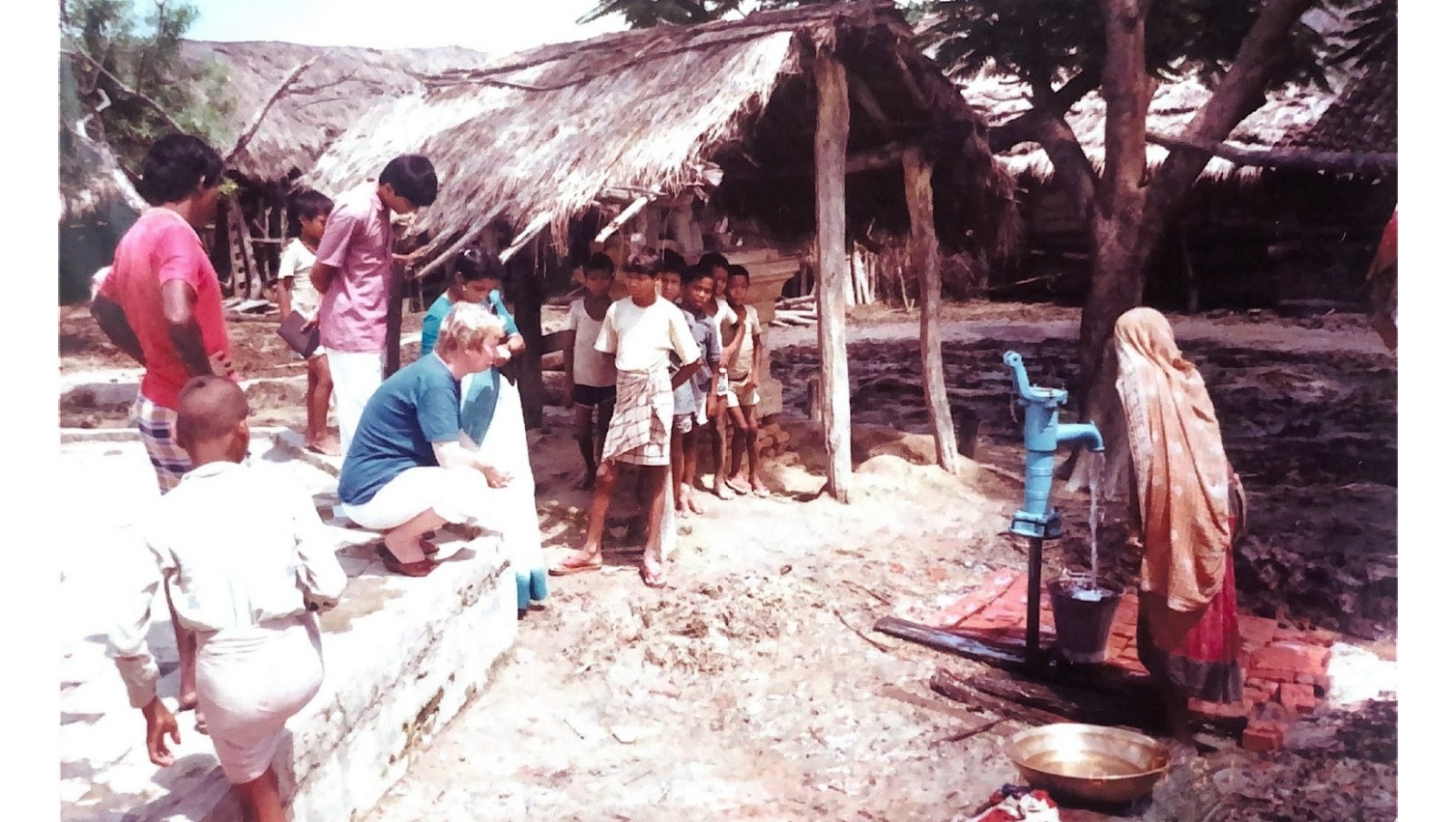
In December 1983, Finland participated for the first time in the World Bank's Nepal aid group meeting in Paris. The cooperation had now started and expanded rapidly. In early 1984, Ambassador Risto Hyvärinen described the situation: "In about 1½ years, there has been quite a metamorphosis. In the hotels of Kathmandu, Pokhara, and other populated areas, Finnish experts are bustling, sweating, and busy with their pens, preparing proposals for various projects. The Embassy is visited by an increasingly wide range of experts."
In the following years, collaboration continued to grow in areas critical to Nepal and aligned with Finland's expertise, such as environmental and forestry projects, rural electrification, and water supply.
Tourism, Trade and Peacekeeping
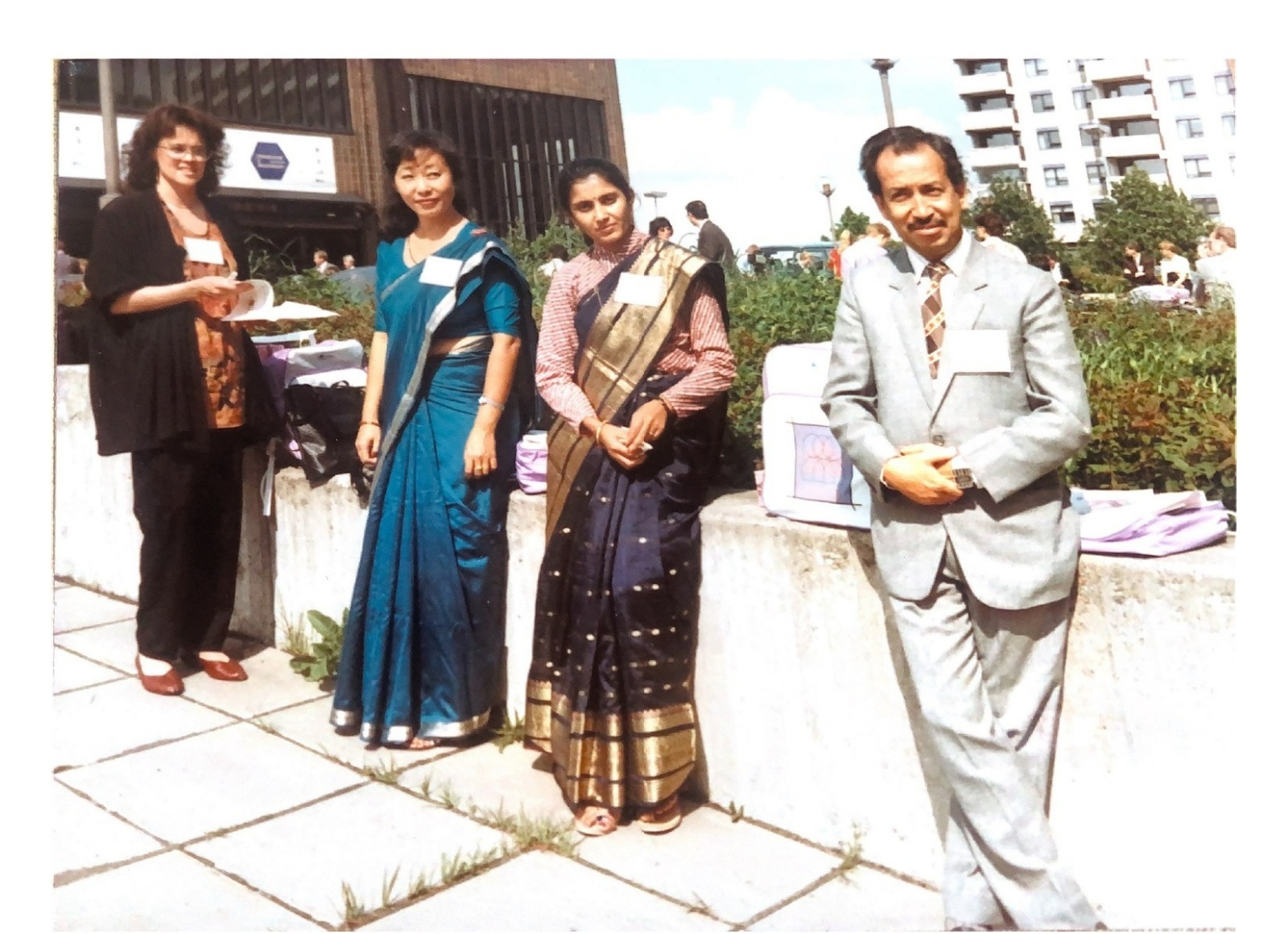
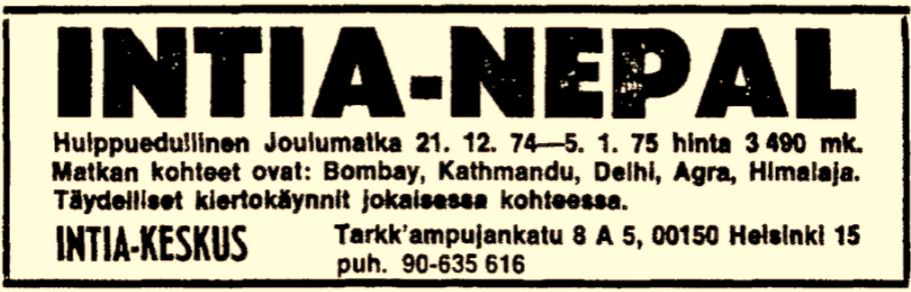
Nepal drew interest from more than just development cooperation officials as the country’s tourism sector began to expand. By the mid-1970s, the Swedish Ambassador informed Ambassador Riitta Örö that other Nordic countries experienced a flow of their citizens traveling to Nepal. Ambassador Örö predicted, "Our people will follow when they have the time." Later in the decade, Finnish tour operators began organizing winter-season group trips from Finland to Nepal, highlighting the country’s enchanting charm, natural beauty, and the warmth of its people.
Finland and Nepal collaborated outside the bilateral cooperation as well: both actively participated in UN peacekeeping missions, sharing a long history of collaboration. Finnish and Nepalese peacekeepers served side by side in the UNOGIL mission in Lebanon in 1958. They also collaborated in UNEF II from 1973 to 1975 under the leadership of the well-known Finnish General Ensio Siilasvuo, as well as in the UNDOF mission on the Golan Heights.
Trade between the two countries remained limited in the 1980s. As noted by the Finnish Foreign Ministry's Trade Policy Department in 1980, "Nepal is classified as a minor player in Finland's foreign trade - just as Finland does in Nepal's trade”. The existing trade mainly consisted of Finland’s fertilizer exports to Nepal that were on the rise, while Nepal exported carpets, jewelry, and other decorative products to Finland.
The 1980s marked a period of increased engagement in Finland-Nepal relations more broadly, with the establishment of the Finland-Nepal Friendship Society taking place in 1980.
First Honorary Consuls and Ambassadors in 1980s
In the spring of 1980, during his visit to Kathmandu, Ambassador Risto Hyvärinen proposed the idea of appointing an honorary consul and even raised the idea of establishing a Finnish school in the city – at that time, the number of Finns involved in different development cooperation projects was considerable, with more expected to arrive. By December 1980, Finland had opened an honorary consulate in Kathmandu, with Mr. Juddha Bahadur Shrestha serving as the first Honorary Consul General. Mr. Shrestha, a prominent and well-connected businessman, was a fitting choice for the role, despite already serving as Honorary Consul for both Sweden and Denmark. Meanwhile, in Finland, Mr. Gustav Mattson was appointed Nepal's Honorary Consul General in March 1986.
Finnish ambassadors accredited to Nepal were based in New Delhi, traveling to Nepal as required. Mr. Jan Groop succeeded Mr. Risto Hyvärinen as Ambassador, serving from 1985 to 1988. Following, Mr. Jyrki Aimonen presented his credentials to King Birendra in November 1988. The king expressed gratitude to Ambassador Aimonen for Finland's development cooperation and for Finland being the 99th country to support Nepal's peace zone initiative. The king also showed interest in visiting Finland in the near future. At the time, around 70 Finns were engaged in various development cooperation projects across Nepal, with Ambassador Aimonen noting their high motivation and enthusiasm for their work in the country.
Reciprocal Visits in the Late 1980s and Early 1990s
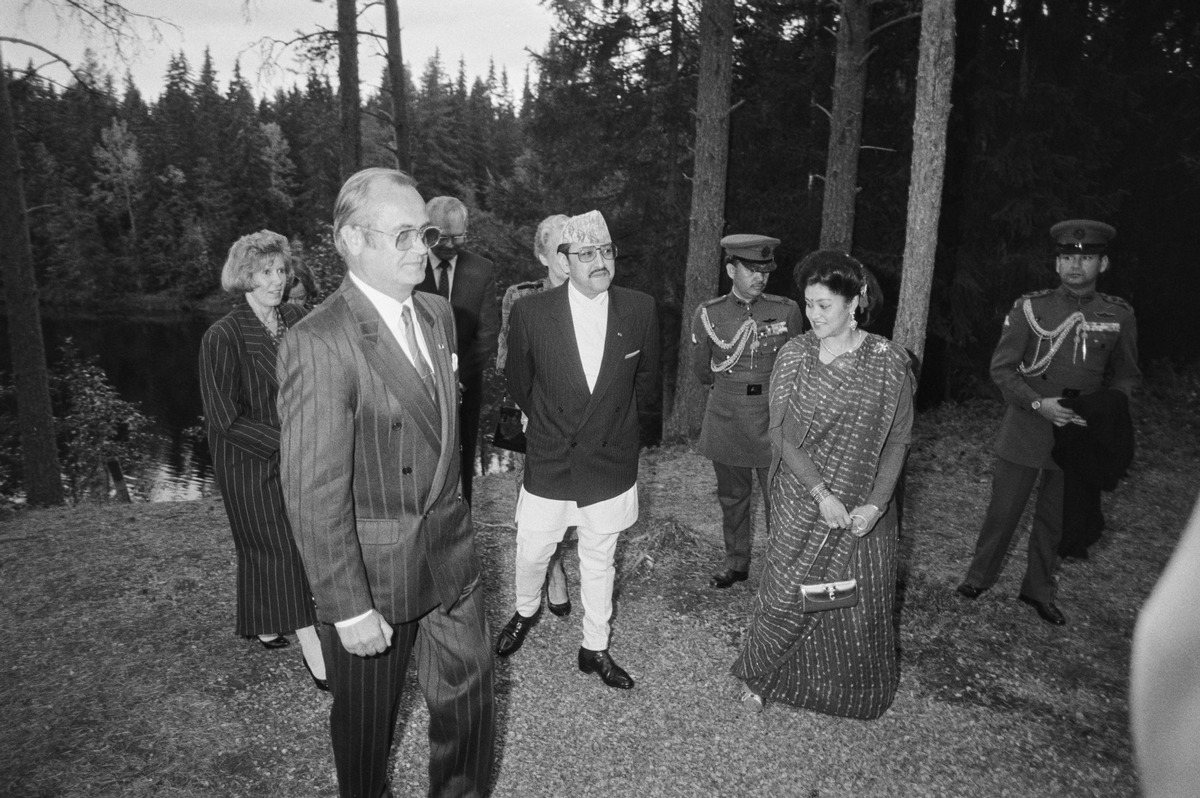
King Birendra and Queen Aishwarya of Nepal visited Finland from September 11-15, 1989. During their stay, they met with President Mr. Mauno Koivisto several times, as well as other Finnish political leaders. Their discussions focused on environmental cooperation and Nepal’s peace zone initiative. The royal couple also paid their respects at Hietaniemi Cemetery, laying wreaths at the War Memorial and at Marshal Mannerheim’s grave. Additionally, they visited the Parliament House, the National Museum, and the Mannerheim Museum. Their itinerary included a trip to Oulu to tour the Nokia and Kemira factories, both of which were instrumental in Nepal’s electrification and fertilizer projects.
Following the royal visit to Finland in the fall of 1989, Ms. Tellervo Koivisto, spouse of President Mauno Koivisto, made a private visit to Nepal in April 1991. Although officially private visit, Ambassador Aimonen, who accompanied her, noted it held the weight of a state visit due to its positive impact on Finnish-Nepalese relations. Prime Minister K.B. Bhattarai hosted a luncheon in her honor, and Queen Aishwarya warmly welcomed Ms. Koivisto and her entourage, personally serving them tea. King Birendra also joined briefly, reminiscing about their visit to Finland two years earlier. The visit attracted considerable media attention, with Tellervo Koivisto even giving an interview on Nepalese television.
Bilateral relations of Finland and Nepal continued to broaden with positive outcomes, which in turn led to increased focus on Nepal for Finland’s Embassy in New Delhi and the development cooperation officer in Bangkok. Naturally, a need for a Finnish Embassy in Kathmandu was recognised and intiatied – you will learn about the establishment of the Embassy in the final part of the chronicle!
Text: Jyrki Paloposki. Translation and editing: Petra Enbuske