

Resilience
Finland actively participates in NATO’s resilience work
NATO resilience refers to crisis resilience – the Alliance’s ability to prepare for, respond to, and recover from disruptions such as natural disasters, disruptions to critical infrastructure, or hybrid and conventional threats. The cornerstone of NATO’s resilience work is Article 3 of the North Atlantic Treaty, in which member states commit, individually and collectively, to maintain and develop their national and collective capacity to resist armed attacks. Today, the interpretation of Article 3 has been broadened to include the ability to counter hybrid and cyber threats. NATO’s Strategic Concept, updated in summer 2022, emphasizes the importance of resilience and highlights the Alliance’s preparedness to withstand strategic shocks.
Within NATO, resilience is viewed through the Alliance’s core tasks – as part of defence and deterrence. The starting point for resilience work is to ensure the continuity of essential services, the continuity of government, and civil support to the military in wartime tasks. Of these, support to the military has been particularly emphasized in recent times, especially due to changes in the global security environment. There has been a strong return to strengthening the defence and deterrence of the Alliance, where resilience is a key component. It has also become clear that hybrid threats require coordination not only between the armed forces and other branches of government, but also with the private sector. It is increasingly recognized that military capability is more dependent on commercial actors than before.
In NATO, resilience work is carried out through established baseline requirements, for which criteria have been developed that member states are expected to meet. These seven baseline requirements are:
- Ensuring the continuity of government and critical public services
- Securing energy supplies
- Ability to deal with uncontrolled population movements
- Securing food and water supplies
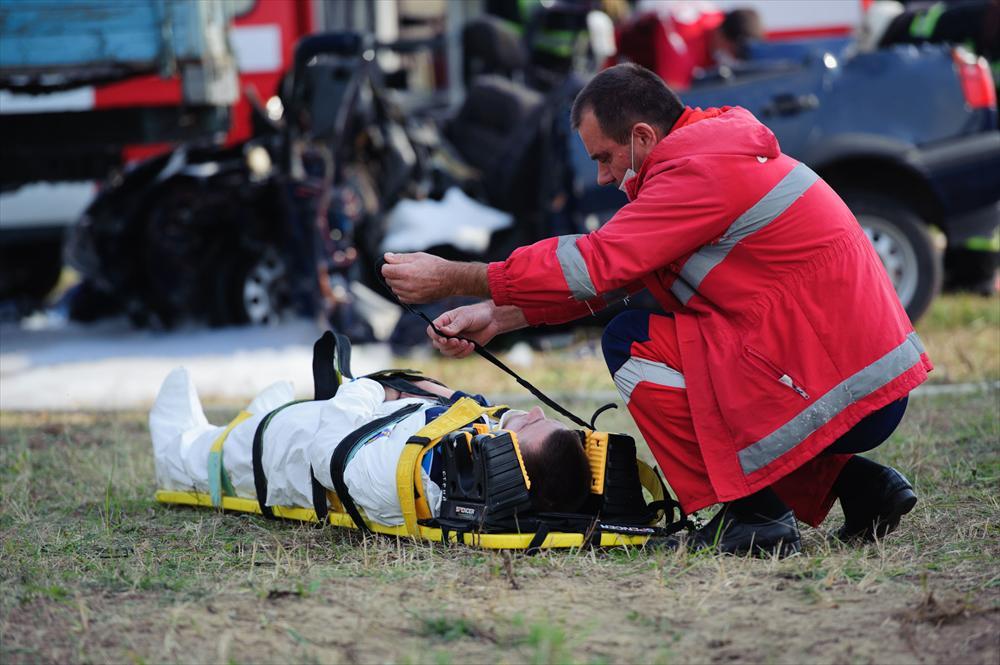
- Ability to manage mass casualties
- Ensuring resilient communications systems
- Ensuring resilient transport systems
NATO’s baseline requirements should be seen as a complementary tool that helps to structure and understand complex phenomena. Their strength lies in the fact that – given the breadth of the resilience concept – they provide a practical framework for both developing and assessing the Alliance’s resilience.
NATO’s resilience work is guided by the NATO Resilience Committee, which was established in May 2022 to replace its predecessor, the Civil Emergency Planning Committee, in order to emphasize the growing importance of resilience as part of NATO’s core tasks.
Finland participates broadly in NATO’s resilience work through various actors. The planning groups within the structure of the Resilience Committee include representatives from the National Emergency Supply Agency, the Ministry of Transport and Communications, the Ministry of Agriculture and Forestry, the Ministry of the Interior, the Ministry of Social Affairs and Health, and the Ministry of Economic Affairs and Employment. Other ministries also participate in cooperation structures dealing with NATO resilience issues. In addition, several Finnish top experts from different resilience-related sectors, appointed by national authorities, are active in NATO’s civilian expert pool.
From Finland’s and resilience perspectives, NATO’s resilience work should be viewed alongside the resilience work carried out within the EU. Cooperation on resilience is indeed one of the clearest areas within NATO where there are strong opportunities for mutually beneficial cooperation between NATO and the EU.