Interview with Orna Kollmann-Grinberg, the daughter of Holocaust survivor Georg Kollman
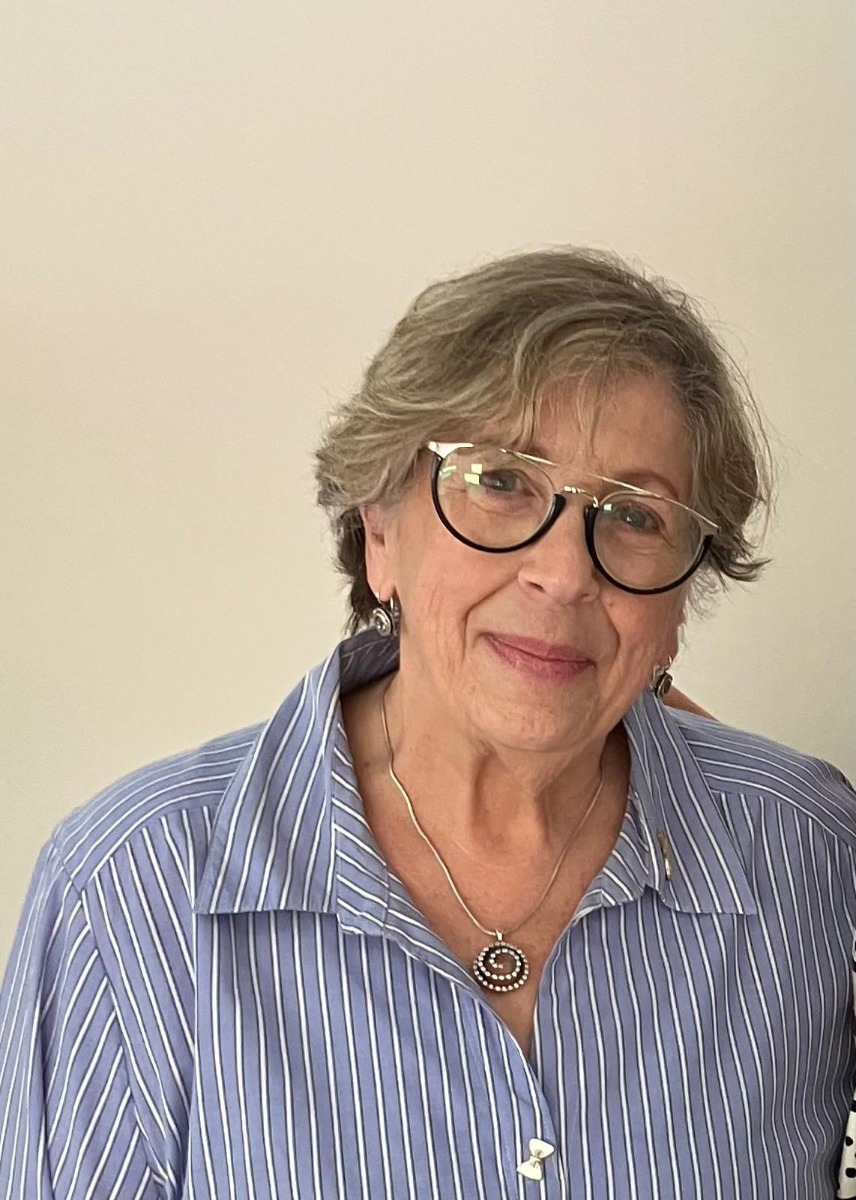
Orna Kollmann-Grinberg is talking about the survival of her late father to preserve his memory and to ensure that the memory of the six million is kept alive.
In the eve of the Yom HaShoah, 2026, with Holocaust Martyrs' and Heroes' Remembrance Day in Israel starting at nightfall, Orna Kollmann-Grinberg was willing to share about the life of her father Georg Kollman. He was originally from Vienna, among the eight Jewish refugees, deported from Helsinki in 1942. Kollmann is the only one of those eight who survived Auschwitz.
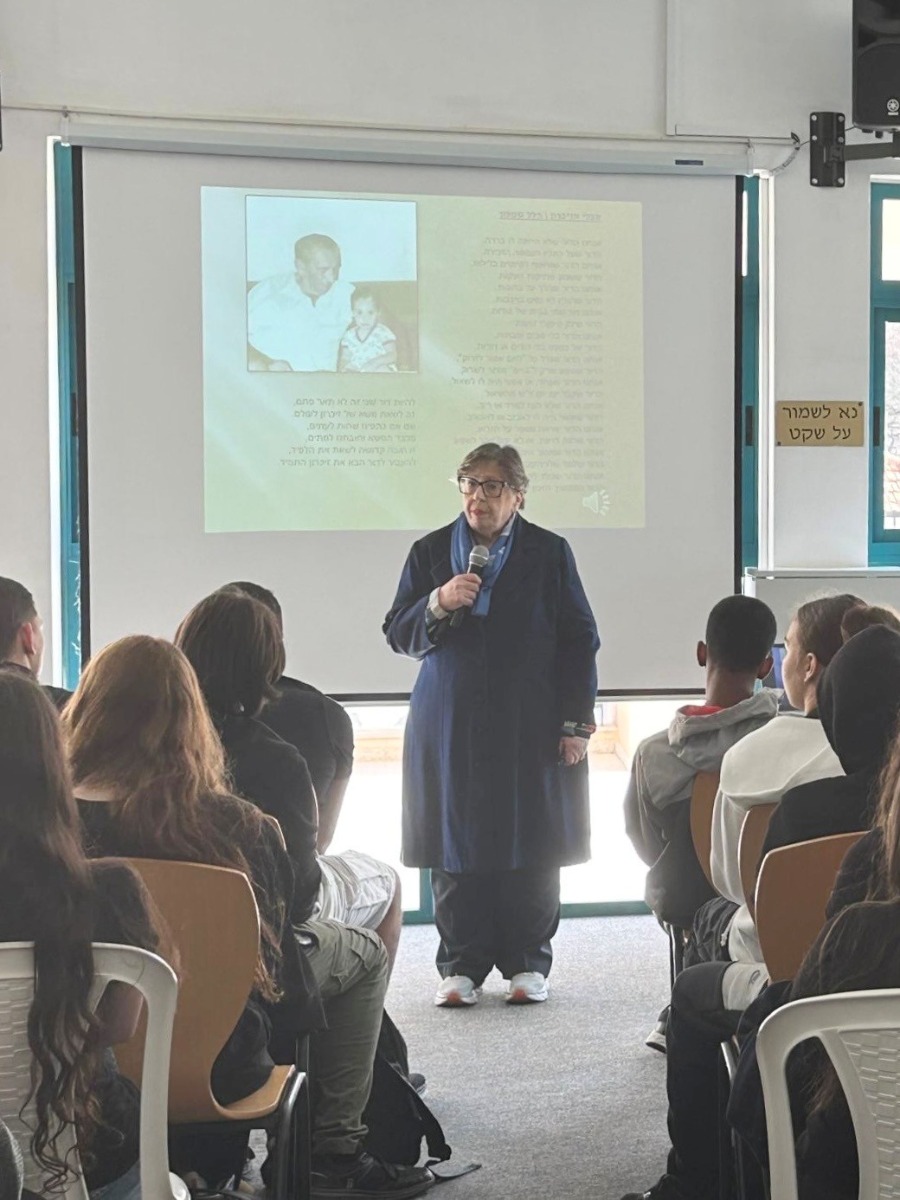
On the day before, Orna Kollmann-Grinberg, was talking to high school students about her father, like many years now before the Remembrance Day. He, together with his wife Janka and son Franz-Olof, were taken to Auschwitz, where his family perished soon after their arrival. After two years in the concentration camp, Georg Kollmann was taken to another camp, Mauthausen, where he was liberated in 1945, weighing only 36 kilograms. According to his daughter, over the last days before the liberation, there was no food distributed anymore by the Germans. To avoid being shot her father had hidden in the latrines, passed out and woken up only in the hospital, where it took him a full year to recover.
Georg Kollmann arrived in Israel in 1950 from Austria, was remarried and built a new life. He was a doctor and worked in a hospital. According to Kollmann-Grinberg her father did not talk about the Holocaust very much. She sees that the silence was a shield protecting his emotions, where going back to the loss of his family would have been too overwhelming. Through the little information Orna Kollmann-Grinberg had from him, she was able to track down documents in Europe to shed more light on what he had been through. Georg Kollmann returned to Finland once, to visit his brother who has stayed there. Orna Kollmann-Grinberg herself has visited Finland more times. Georg Kollmann has a Stolperstein in Helsinki, at Munkkiniemen puistotie 18.
When asked about preserving the memory of her father and the Holocaust, “I feel responsibility as a second generation of survivors that his story will not disappear”, she says. The book of Elina Sana, Kuoleman laiva S/S Hohenhörn, the film Never alone by Klaus Härö and Martti Takalo’s documentary, The Death List add to the details of her father’s life. She is contented that people are willing to do research on what happened during the war and in its aftermath. “However”, she says, “here in Israel reaching out to the listeners is harder because we are going through difficult times now ourselves and people have many hardships because of the war”. The unstable times have made Kollmann-Grinberg concerned about the future of her children and grandchildren but also concerned in general where the world is going. For Georg Kollmann, his grandchildren were very important, perhaps seeing the future and hope in them.