

European Union recruitment competitions and international career opportunities – Conversations with Finnish EU officials
Finnish civil servants have long been underrepresented within the institutions of the European Union and their numbers continue to decline. We interviewed three Finnish EU officials in Cyprus and asked them how more Finns could be encouraged to pursue careers in the EU and why this matters. Stefan Simosas, Jutta Pomoell-Segurola, and Maria Filippenkova view the lack of detailed information and guidance as the main reason for Finnish underrepresentation. There are many pathways into an EU career beyond passing the large generalist competitions, but Finns may not be aware of all the options. A better understanding of the recruitment process and effective preparation for recruitment competitions would already go a long way.

According to recent reports, Finland faces a serious risk of underrepresentation among the official staff in the EU institutions. There are two main reasons for this: the retirement of officials recruited when Finland first joined the EU, and the relatively low success rate of Finnish applicants in EU recruitment competitions. What do Finns who work within the EU institutions and have successfully passed the competition think about this situation? We interviewed three Finnish EU officials currently working in Cyprus. Stefan Simosas, Jutta Pomoell-Segurola, and Maria Filippenkova share their views on Finnish representation in the EU, recruitment competitions and the pros and cons of an international career.
Stefan, Jutta, and Maria work for the European Commission’s Directorate-General for Regional and Urban Policy (DG REGIO). Their unit is the Cyprus Settlement Support Unit that supports Cyprus' peace process, implements the Aid Programme for the Turkish Cypriot community and oversees the implementation of the EU Green Line Regulation.
The interviewees are well aware of the shortage of Finnish EU officials. However, they do not see the lack of Finnish applicants seeking positions in the EU institutions as the main problem. Rather, they believe the challenge lies in insufficient awareness and understanding of the recruitment competitions which means that candidates are often unable to prepare effectively. “I think Finland has now certainly realized that something needs to be done. What could be done? Is the level of information and guidance sufficient? That is at least something worth considering,” Stefan reflects. Jutta also notes that the guidance could undoubtedly be improved, particularly because the EU recruitment process differs significantly from the Finnish national civil service career path.
For most positions within the EU institutions, applicants must pass one of the recruitment competitions, which include exams measuring reading comprehension and logical reasoning skills among other things. The largest of these competitions is called AD5, an entry-level administrator competition open to all university graduates. The competition is very intense. This year, more than 170,000 candidates applied for AD5. The reward for success, however, is a career within the European Union. According to Stefan, there are particularly few Finns in EU positions who entered the institutions by passing the AD5 competition. However, there are many other ways to access EU positions.
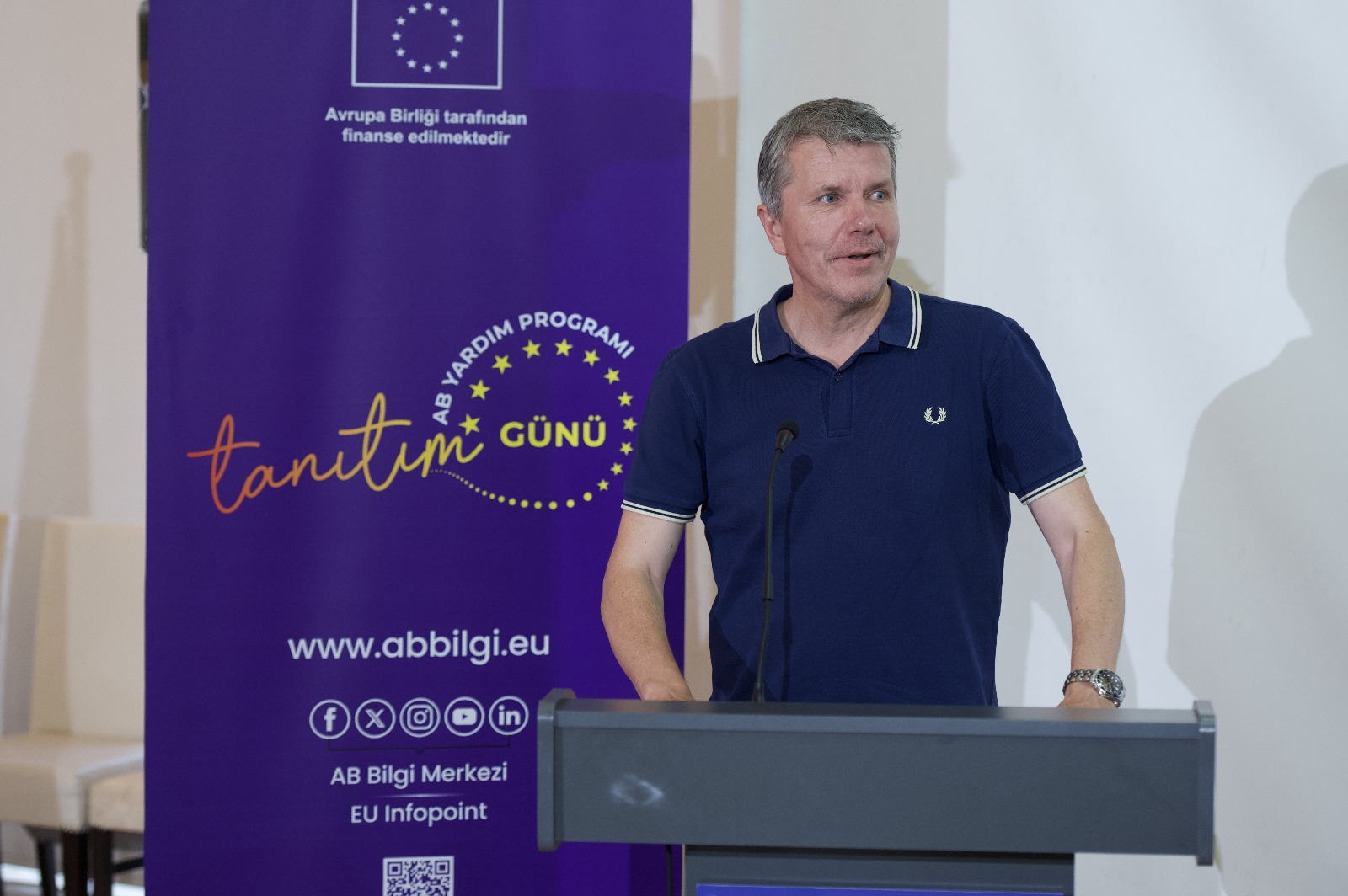
Multiple channels towards an EU career
There are many possible routes into EU careers that Finnish applicants may not be aware of. According to Maria, one of the best ways to get started is through a Blue Book traineeship at the European Commission or another traineeship within the EU institutions. The Blue Book programme is not limited to students or recent graduates but is instead open to a much wider range of applicants regardless of age. The applicants need to hold at least a bachelor's degree. “The Blue Book traineeship is an excellent pathway into EU positions and my best piece of advice for Finns considering an EU career. Through the opportunities of the traineeship, I made some valuable contacts and gained a much deeper understanding of how the EU works”, Maria explains.
There are other ways to take a first step as well. It is possible to join the European Union as a temporary employee, for example through the Junior Professional in Delegation (JPD) Programme or as a Contract Agent. The JPD Programme allows participants to work in an EU delegation for two years, while Contract Agents can work in EU institutions for up to six years. To become a Contract Agent, applicants must pass a recruitment competition, but compared to AD5, the number of candidates is often considerably lower. The EU also organizes separate competitions for specialists in certain fields and for translators.
Jutta began her EU career through the Junior Professional in Delegation Programme and afterwards worked as a Contract Agent. She emphasizes that applicants need to be proactive regardless of which route they choose and should be prepared for a time-consuming recruitment process. “If you are a young and qualified applicant, it may seem more attractive to apply for a job in Finland because the process is much faster. Information about EU careers should be detailed enough for people to understand how the recruitment process works, what kind of options are available, and how much time and commitment they require. In addition to better communication, interested candidates could also receive more support in preparing for the competitions,” Jutta explains. Providing information and preparation support would be particularly easy among students as it could be organized directly through universities.
Another temporary route into the EU is working as a Seconded National Expert (SNE). National experts are civil servants from EU Member States who contribute their expertise to EU institutions for a fixed period. This was how Stefan first began his career in the EU. Temporary staff members may also participate in internal EU competitions, which can lead to more permanent positions within the institutions.
Stefan stresses that a strong CV alone is not always enough when applying for EU positions. Applicants need to be proactive, follow up on applications, build professional networks, and actively seek out opportunities. The same applies even after successfully passing a competition, before securing a first position from the reserve list. “The typical Finnish mentality probably does not help in this respect. We may not be particularly comfortable reaching out to unfamiliar contacts or promoting ourselves. However, this is especially important when starting your career,” Stefan continues.
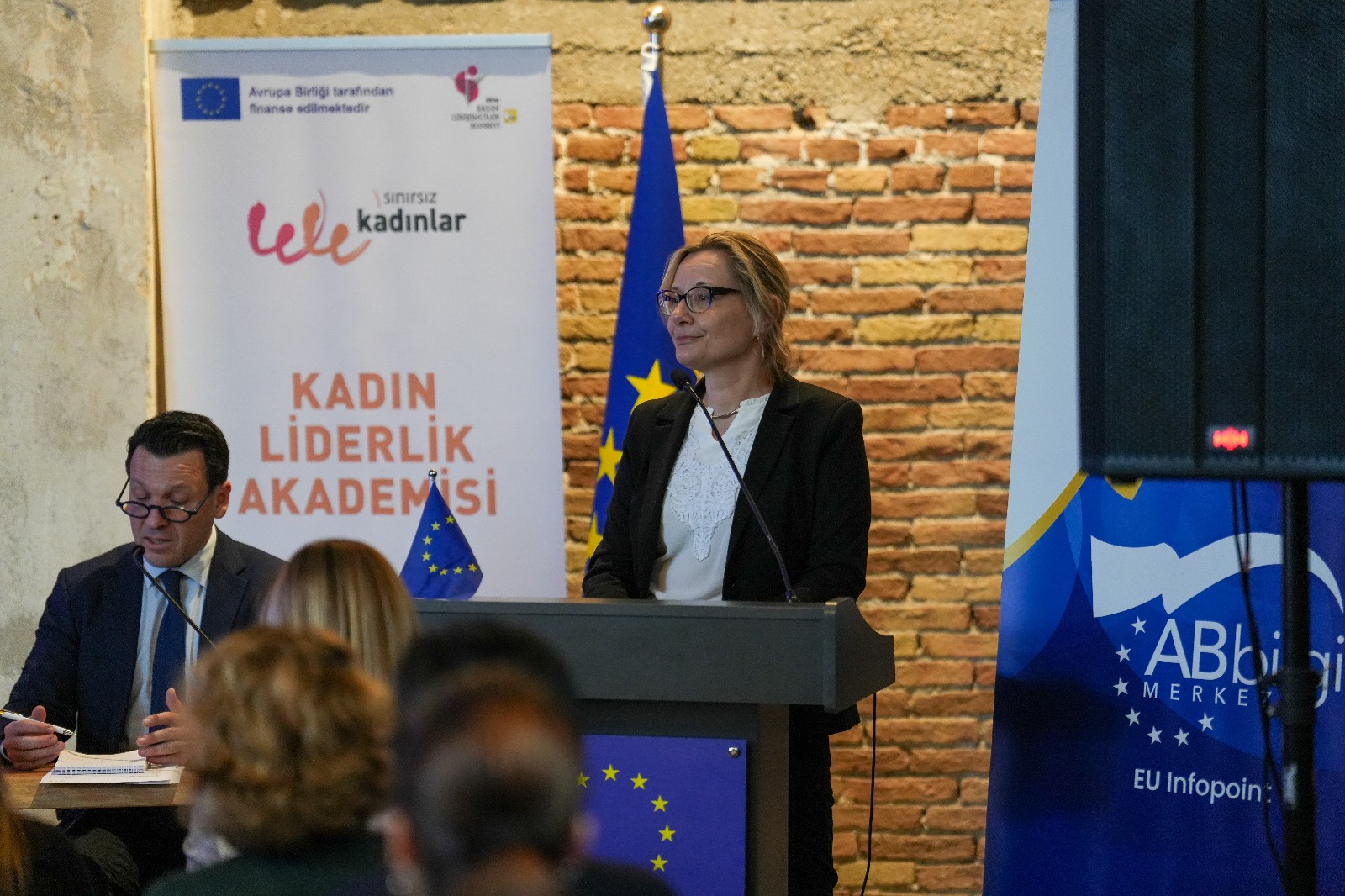
The EU offers exceptional opportunities but also requires hard work
Competition is a constant feature of an EU career, particularly in its early stages. “It means that you have to study. You cannot simply walk into the recruitment competitions unprepared because the exams are difficult and there are many applicants. Preparation is essential,” Jutta explains. Stefan adds that the exams can feel particularly challenging and even odd for first-time candidates. However, they are by no means impossible if applicants prepare effectively. That is another reason why increasing awareness and guidance in Finland would be important. Stefan believes that Finnish authorities should actively engage with people who have already applied for EU competitions and help them prepare for the exams ahead.
The interviewees also note that there are signs of positive change and that efforts to improve communication have increased in Finland in recent years. For example, Permanent Representation of Finland to the EU organized free online training sessions for the AD5 competition, attracting hundreds of participants. There is also growing political support for the issue. Finland’s current government programme explicitly includes the objective of promoting the recruitment of Finnish officials to positions within the EU institutions.
Nevertheless, additional encouragement is still needed. What would you tell young people who are considering the EU as a career option? “I would certainly recommend this career,” Stefan laughs. He adds that spending long periods away from Finland and relocating every few years can certainly be demanding, but the experience gives far more in return. “For those interested in the EU, especially young people, I would emphasize how important it is that Finnish officials are represented within the EU institutions. We are a Union in which all Member States should be represented equally. If there are not enough Finnish officials, Finland’s voice may not be heard and the Finnish perspective may not be adequately represented,” Jutta stresses. The number of Finnish officials is also directly linked to how citizens perceive the legitimacy and inclusiveness of the European Union.
All three interviewees agree that the EU is an outstanding employer for anyone interested in an international career. Colleagues are highly knowledgeable and passionate, and the level of expertise is exceptionally high. The range of available roles is broad, offering opportunities across numerous fields. The work provides continuous opportunities to learn, grow, and develop professionally. “The EU is an incredible opportunity if you are motivated, believe in the shared European project, and are willing to invest in your career. But this is not exactly an ordinary job. An EU career is quite all-encompassing and, at least for me, a way of life. My whole family is involved in it. My children truly listen to the EU anthem,” Jutta laughs at the end of the interview.
All photo rights © AB Bilgi Merkezi – EU Infopoint